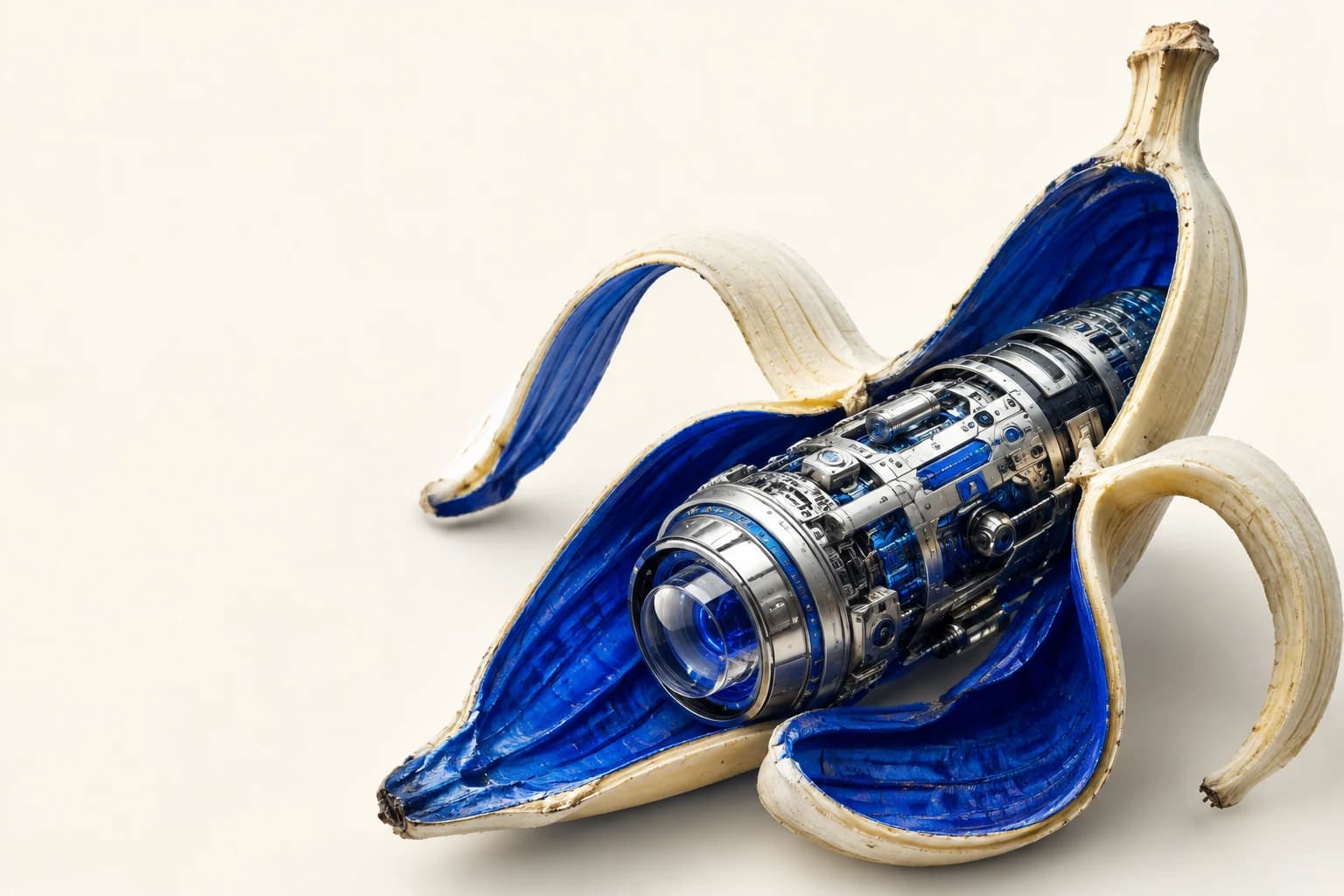
AI image feeds today look strangely alike. Skin is glass-smooth, lighting excessively dreamlike, and backgrounds pointlessly ornate. The images are clearly well made, yet fingers keep scrolling. The reason is simple: we have seen them too often. What stops a feed now is not greater polish, but the ability to show familiar subjects under unfamiliar rules.
Recent models such as Nano Banana 2 have reached a point where making beautiful images alone is no longer a differentiator. Anyone can get a plausible result. What matters now is grammar rather than the model. Showing the same city as a toy or the same forest as a self-luminous ecosystem determines how often an image is saved.
The seven styles here are my rewritten selection of those currently producing particularly strong responses in feeds. There is one criterion: a familiar subject seen in a way that feels new. That combination is what stops scrolling.
First, remember: viral images are made differently, not by adding more
Many believe a longer prompt makes an image more special. In practice, the opposite is often true. Piling on modifiers blurs direction, and the model retreats to a safe average. Prompts that work instead have a clear structure.
- Define the subject clearly in one line.
- Twist just one unfamiliar element strongly.
- Fix the lighting and camera viewpoint specifically.
- Finish by briefly pinning down texture and atmosphere.
All seven styles below share this formula.
1. Tilt-shift miniature worlds
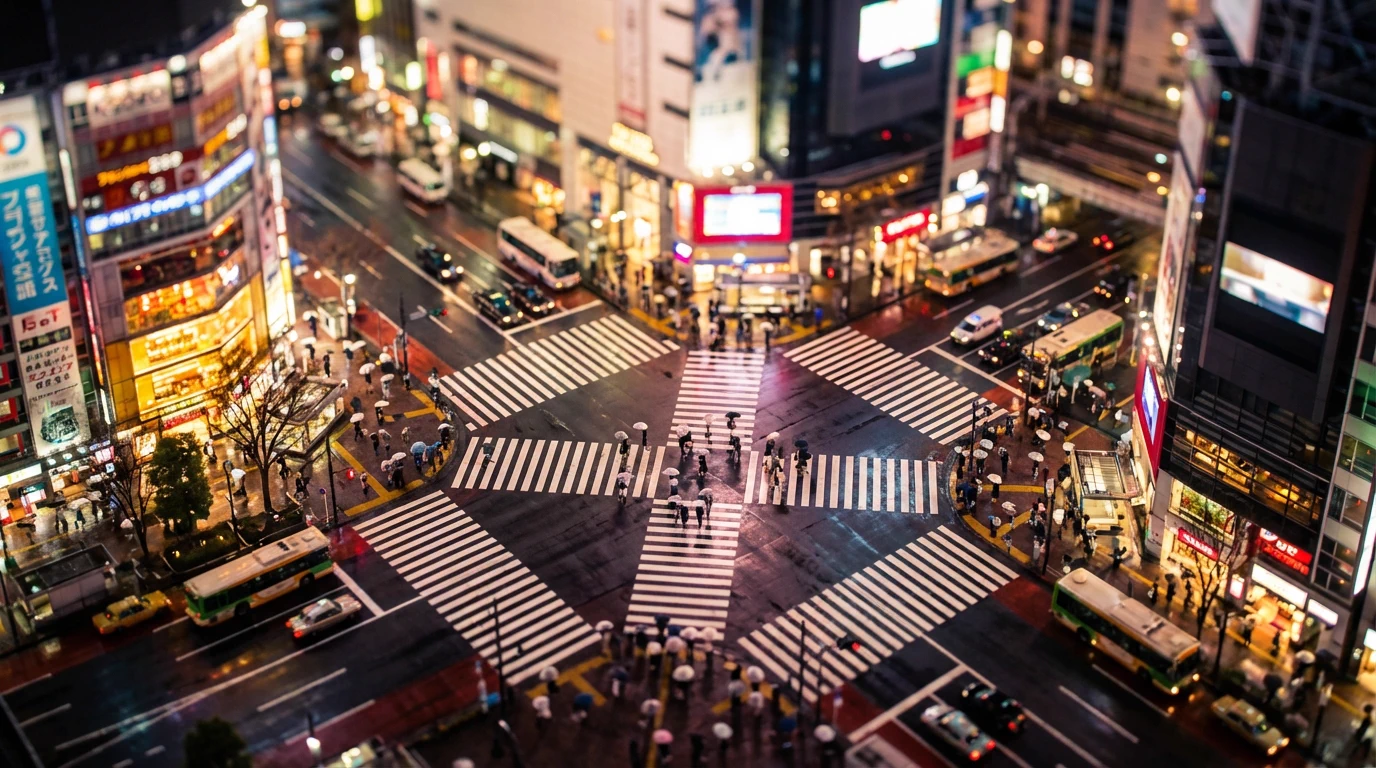 Tilt-shift miniature world exampleView original
We have seen cities simply presented as cities far too often. Shrink the same city into a palm-sized model, though, and things change. Building lights look placed with tweezers, and crossings feel like roads in a toy set. People look again, wondering whether it is real or a model.
This style works because realism and toy-like unreality operate in the same frame. It is strange enough without pushing into outright fantasy. Locations rich in tiny details—night cities, amusement parks, harbors, and alley markets—make it much stronger.
Ready-to-use prompt
Shibuya crossing at night, tilt-shift miniature photography, tiny scale city illusion, glowing shop windows, wet asphalt reflections, dense crowds looking like scale-model figures, shallow depth of field, aerial view, photorealistic, cinematic night lighting, highly detailed, magical but believable
2. Glowing nature
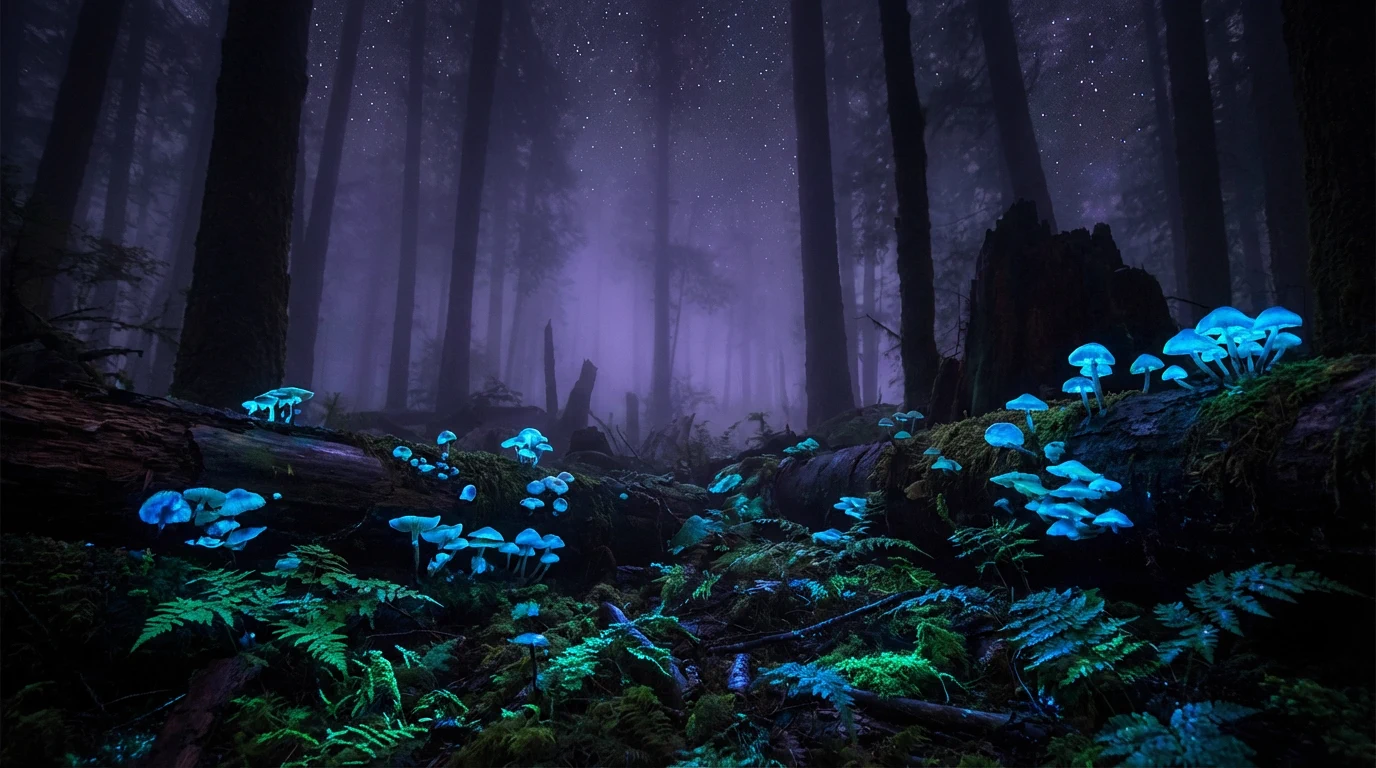 Glowing nature exampleView original
This starts as nature photography but does not end there. Mushrooms glow from within a forest, coral breathes like neon underwater, and flowers seem to carry cold currents of electricity. People are instinctively drawn to naturally luminous things, so admiration arrives before explanation.
The point is to make light originate within the subject rather than shine on it from outside. Too much external lighting can make it look like an ordinary fantasy render. Keep the darkness deep and let light leak from living organisms to preserve the style’s appeal.
Ready-to-use prompt
Bioluminescent forest at midnight, electric-blue mushrooms glowing from within, luminous ferns and moss, deep surrounding darkness, soft violet haze, no artificial light, realistic nature photography, otherworldly but believable ecosystem, ultra-detailed, cinematic contrast
3. Impossible architecture
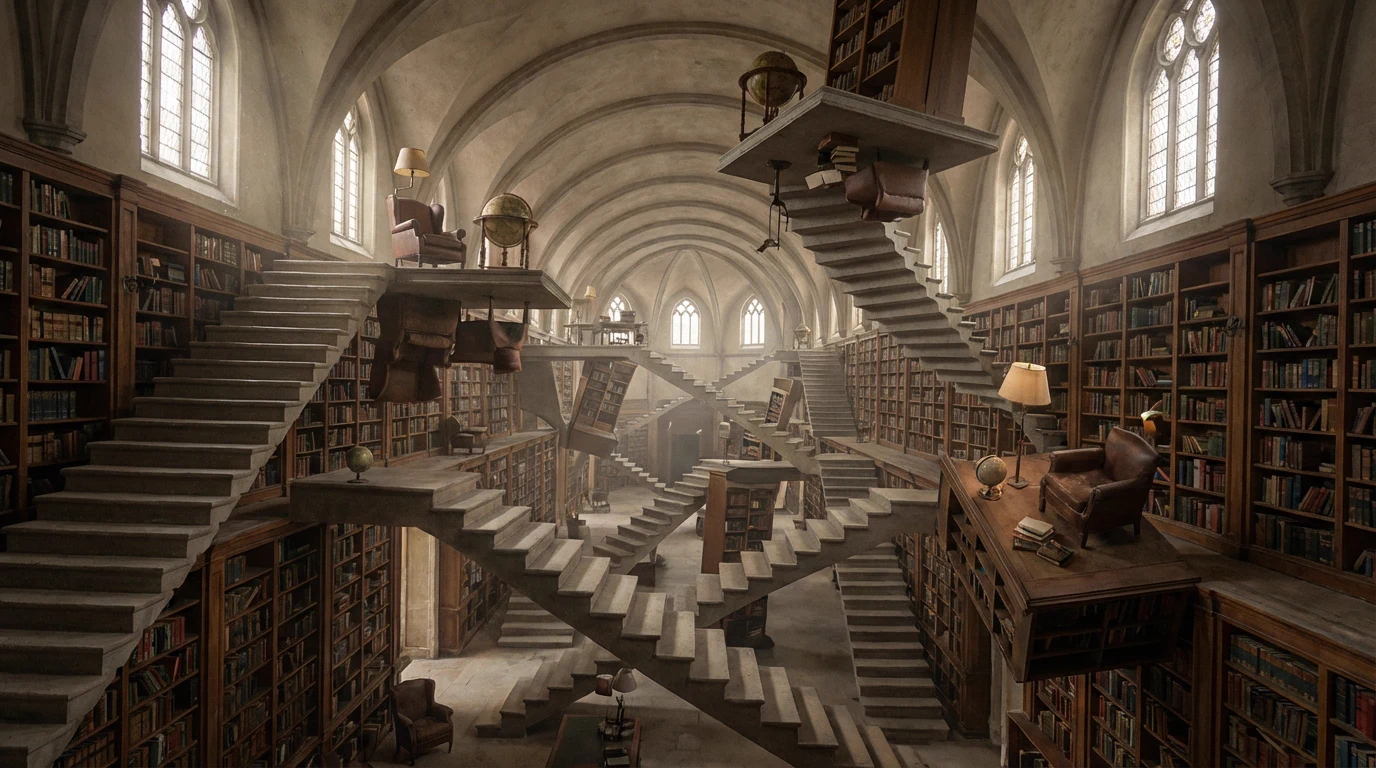 Impossible architecture exampleView original
People stop scrolling at structures that make no sense because the brain pauses to understand them. Stairs climb while ceilings fold downward; corridors seem to end but continue into another room; libraries have realistic materials but impossible structures. That mismatch creates substantial dwell time.
Do not make everything completely dreamlike. Keep materials and light sources as realistic as possible, and let only the structure go slightly mad. That keeps viewers longer. Obvious surrealism is easily passed over as fantasy concept art. Roughly eighty parts reality to twenty parts impossibility is strongest.
Ready-to-use prompt
Impossible infinite library, gravity-defying staircases, inverted bookshelves, endless vaulted halls, realistic architectural photography, physically impossible but visually convincing, soft natural light, detailed stone and wood textures, surreal and unsettling, large scale, cinematic composition
4. Macro world portraits
 Macro world portrait exampleView original
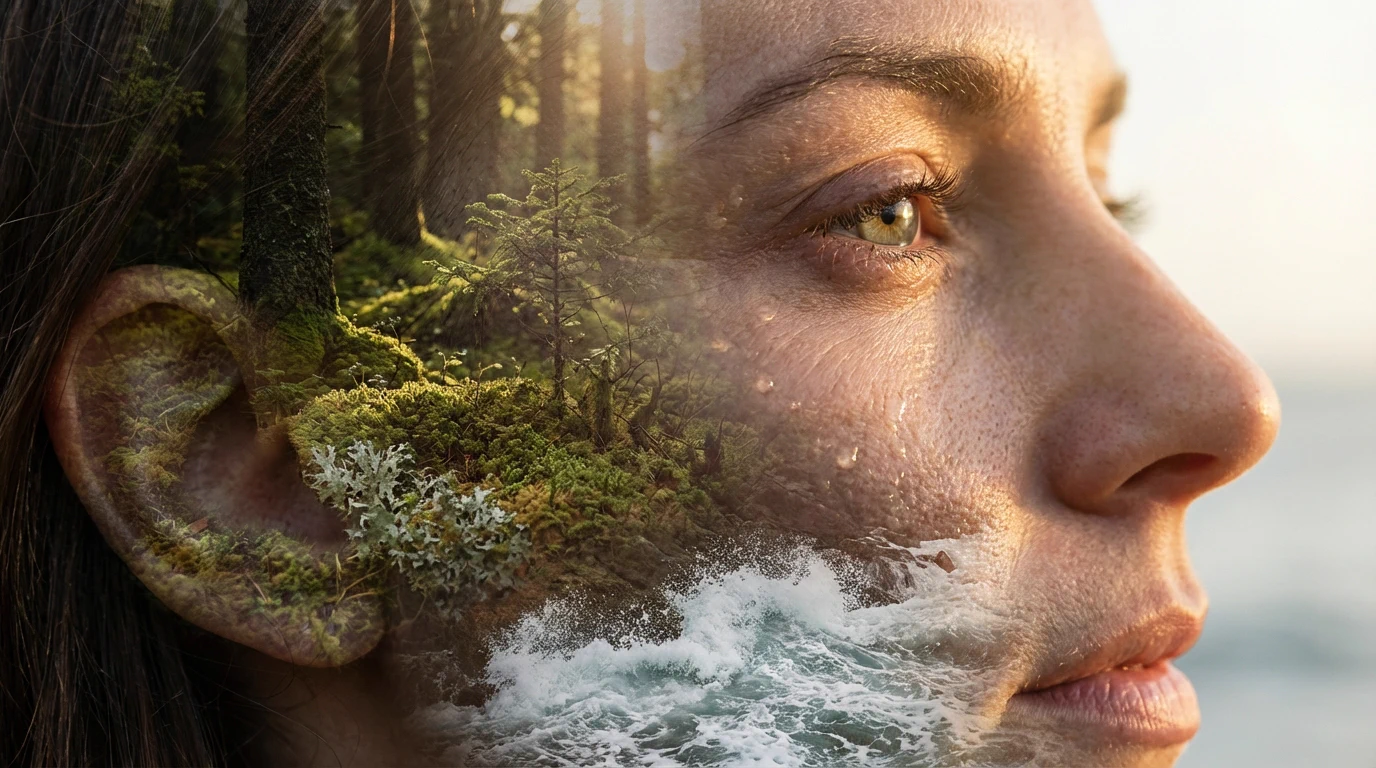
Faces are always powerful subjects. Place another world on a face, and the image lingers longer: seas turning inside an iris, forests growing between eyelashes, misty mountain ranges resting on cheekbones. This style makes portrait and landscape photography work at once.
For it to succeed, the face must feel transformed into landscape rather than covered by a pasted image. Awkward boundaries make the compositing too obvious. Skin and natural texture should flow as one mass. Broad surfaces such as eyes, cheeks, and foreheads work especially well.
Ready-to-use prompt
Extreme macro portrait of a woman, ocean waves and mossy forest growing seamlessly from her eye and cheekbone, double exposure effect, cinematic lighting, realistic skin texture merging into landscape texture, dreamy but photorealistic, ultra-detailed, emotional and immersive
5. Dark cozy aesthetics
 Dark cozy aesthetic exampleView original
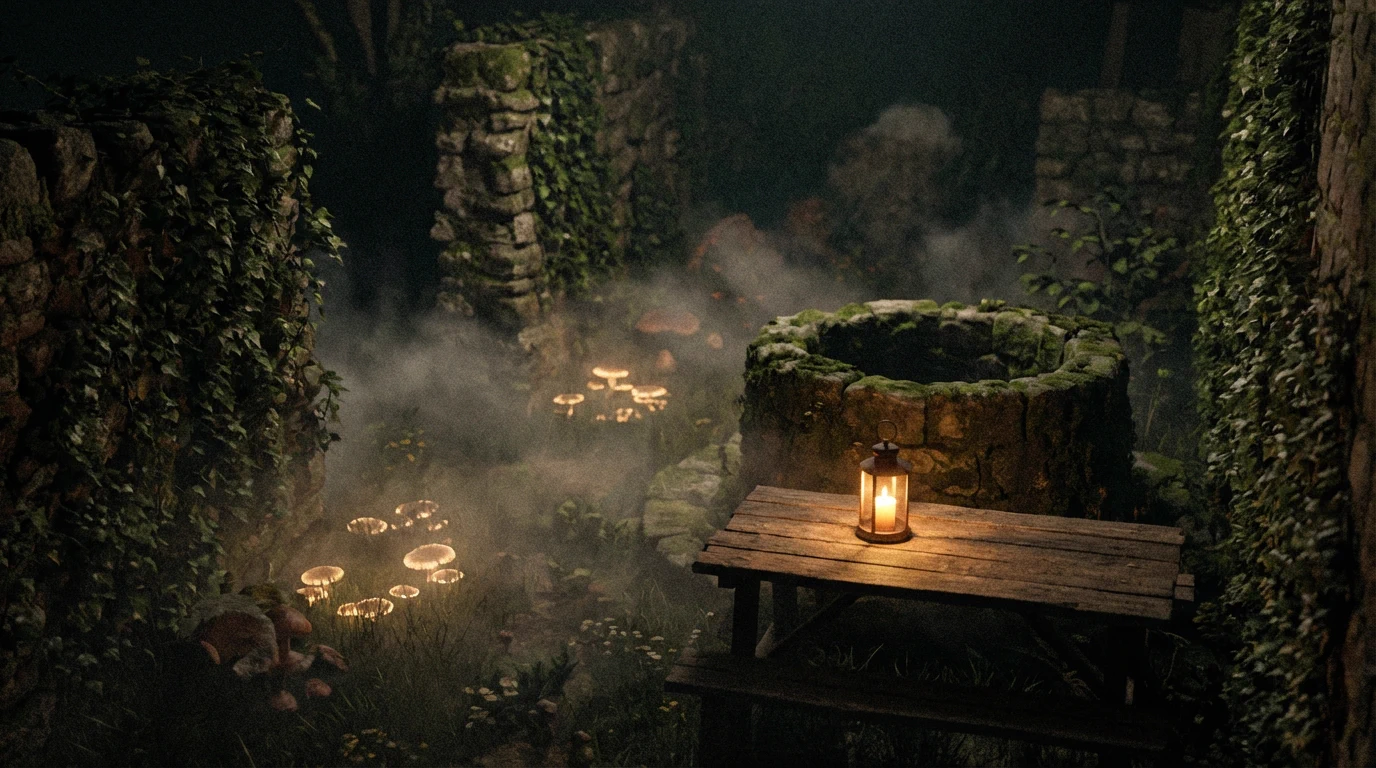
Cozy imagery is already commonplace: warm kitchens, sunlit windows, soft knits. Mix in night, fog, and a little unease, and it immediately becomes more compelling. The scene is comfortable yet slightly frightening, beautiful yet something you want to keep looking at.
The core is density, not horror. An abandoned well, a mossy garden, rising fog, one candle, a lingering shadow: together they create a feeling somewhere between fairy tale and horror. Rather than intensifying the shock, keep it cozy with an unexplained unease.
Ready-to-use prompt
Dark cozy cottage garden at midnight, ancient stone well, mushroom circles, drifting fog, one warm candlelight, overgrown ivy, muted earth tones, film grain, cinematic atmosphere, beautiful but slightly unsettling, photorealistic, richly textured
6. Surreal food photography
 Surreal food photography exampleView original
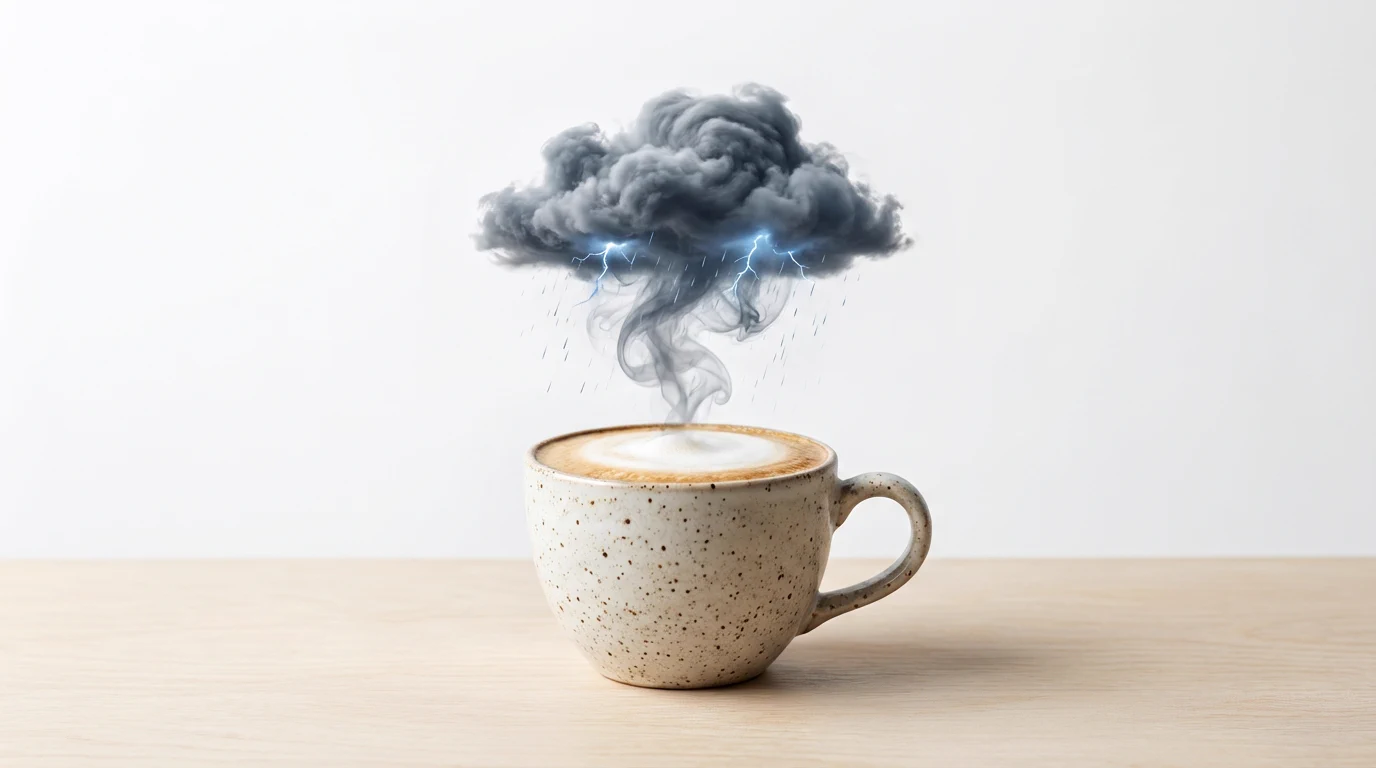
Food naturally earns clicks. Let it bend reality slightly and saves rise further: storm clouds replace coffee steam, croissant fragments scatter as golden butterflies, or a cherry floats above a cupcake like a tiny planet. Looking like both an advertisement and a fairy tale, the scene holds attention.
This style strengthens as the background simplifies. The food already carries a narrative, so complex surroundings disperse its force. The most stable approach is one impossible event against a white background or a very clean studio setup.
Ready-to-use prompt
Realistic coffee cup in clean studio lighting, steam transforming into a tiny storm cloud with subtle lightning, surreal food photography, crisp ceramic texture, minimal white background, magical realism, commercial-grade detail, photorealistic and visually impossible
7. Neon noir streets
 Neon noir street exampleView original
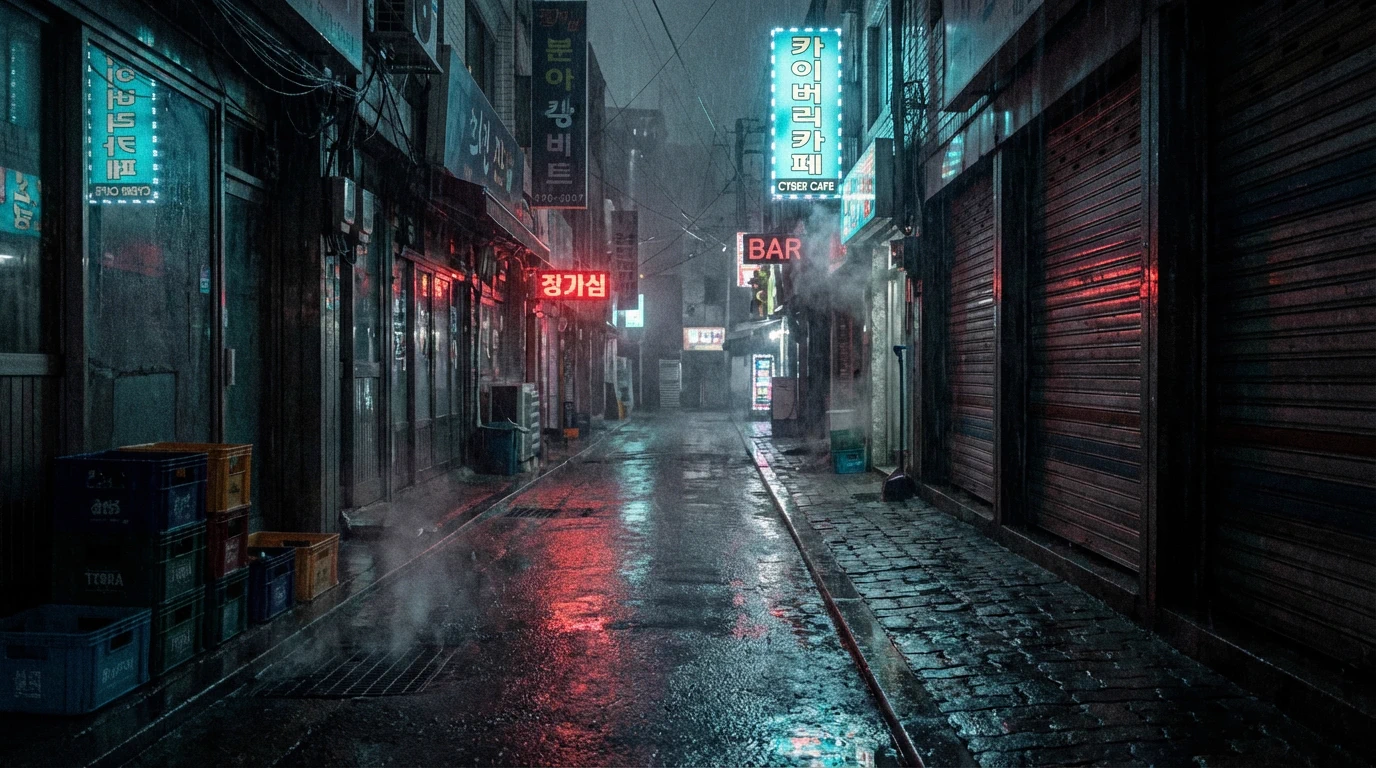
An empty city before dawn strangely suggests more stories. Who passed here? Why did the rain just stop? Why is that neon sign lit alone? The scene carries a narrative without explanation. Although it is background photography, it is not consumed merely as a background.
This genre is stronger without people. An empty street, wet asphalt, a half-dark sign, and one distant streak of color are enough. What matters is not urban complexity but the air particular to 3 a.m. Capture that air and it becomes atmosphere itself rather than just wallpaper.
Ready-to-use prompt
Neon noir street photography, Seoul at 3am, rain-slick empty alley, cyan and red neon reflections on wet asphalt, no people, moody cinematic atmosphere, film noir lighting, realistic urban textures, quiet tension, photorealistic, high detail
Why do all seven work?
All seven share one principle: everyone recognizes the subject, but one rule of scale, light, or space is displaced. People pause thinking they recognize something familiar, then notice its strangeness. That one-second delay stops the scroll.
Failed images, conversely, attempt too much at once: neon, fog, surrealism, detail, and excessive emotion. The result becomes noise rather than a scene. Twisting only one rule is stronger.
Remember just one final line: a good prompt does not merely describe a beautiful scene; it precisely fixes one unfamiliar rule. That line ultimately creates the difference in Nano Banana 2. Less-worn visual grammars still exist in the 2026 feed. Most survive not because they are more spectacular than others, but because they are strangely precise.