I checked email while making coffee after waking up. I attended meetings, worked on code and organized documents. I must have eaten lunch. Somewhere in my body there would be traces of something my stomach had processed.
📝 The Anxiety of an Empty Room
More tasks had accumulated by the afternoon, and I consumed them one by one. I crossed lines off the to-do list. One. Two. Three. With each stroke, a trace of satisfaction seeped into my veins. Done. Done. Done.
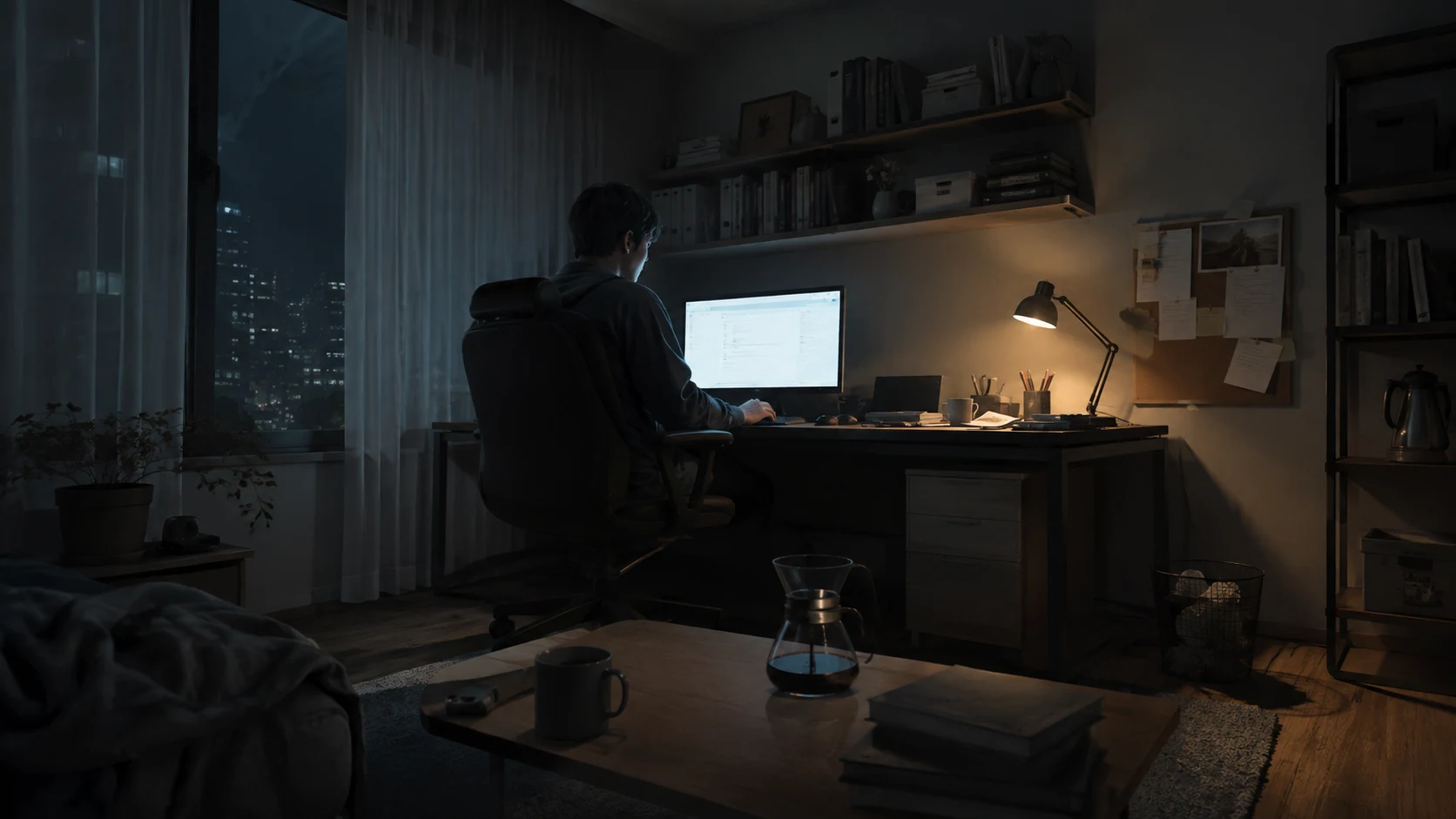
But when I crossed off the last item, the room suddenly grew quiet. With nothing left to do, time acquired weight. Only the monitor’s light spread across my face. I created another task. Even though I had just finished everything. I could not bear an empty list.
An empty list is an empty room. Sit alone in an empty room and you hear strange things: pipes beyond the wall, the apartment contracting ever so slightly, and shapeless anxiety slipping into the gaps. I preferred a to-do list to that anxiety. I made another coffee. My fourth today. The taste had already disappeared, but the act of brewing mattered. A magpie called outside. What could it have so much to do?
💊 Productivity as a Sedative
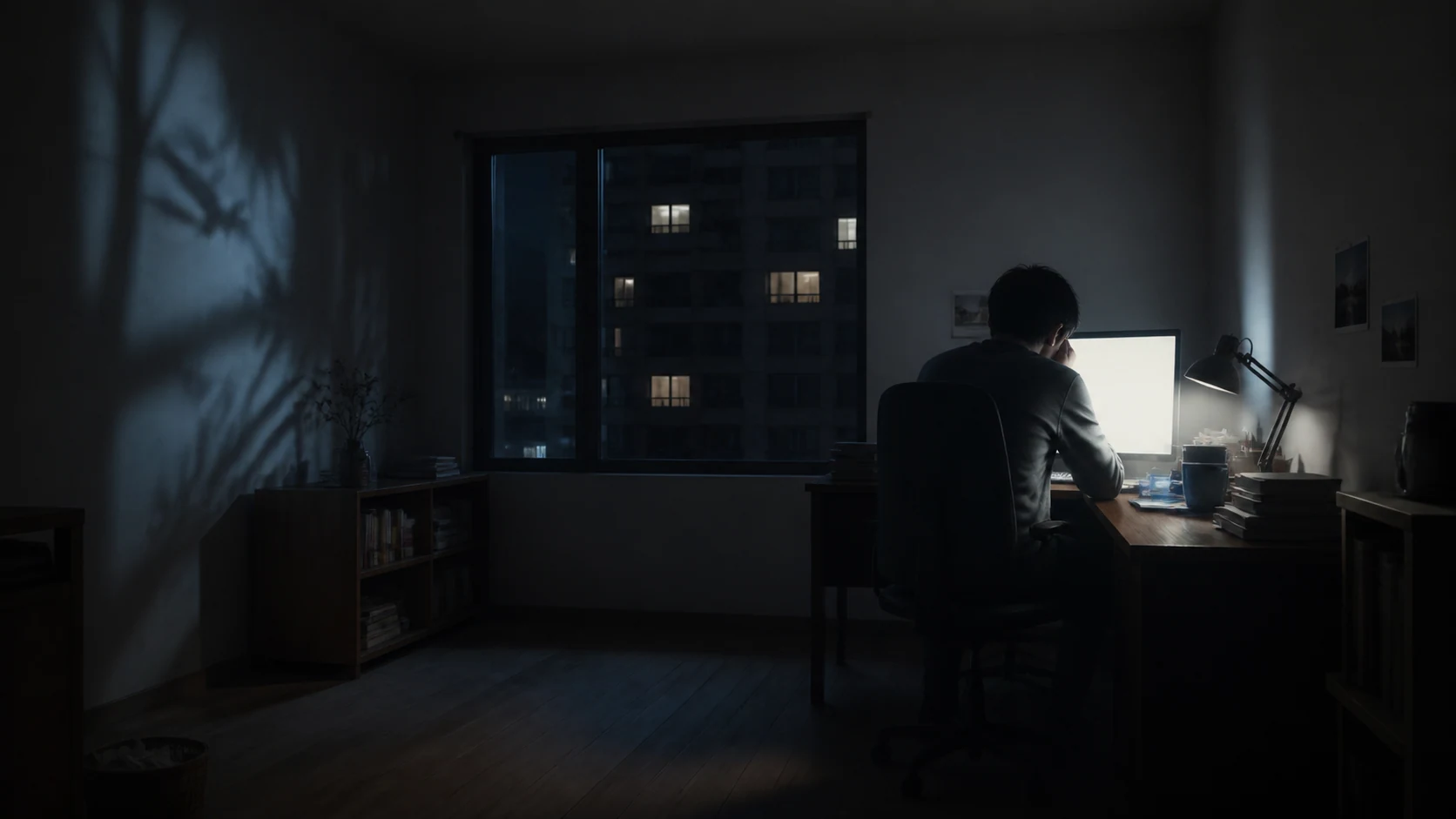
A philosopher gave this condition a name. A sedative. Heidegger, a German whose name alone furrows the brow, said so. We do not keep busy each day for productivity, he said. It is medicine that conceals the uncertainty of death. A daily sedative. Its side effect: emptiness. But something more frightening arrives if we stop taking it, so we swallow one every day without a prescription. A pill called a to-do list.
400 years ago, a Frenchman named Pascal saw the same thing. “All of humanity’s unhappiness stems from one thing alone: not knowing how to remain quietly in a room.”
He used a king as his example. Even a king who possesses everything becomes the most miserable being when left facing himself without diversion. The king did not fear rebellion. He feared time spent doing nothing.
400 years have passed. Kings have vanished, but the room remains. Now, however, escape is possible even inside it. A little screen in our pocket supplies diversion 24 hours a day. If Pascal returned, he would add a line to Pensées: “Human beings now cannot stay still even inside a room.”
I liked the name. Sedative. It was an accurate diagnosis. But a diagnosis is not a prescription. Knowing the cause of insomnia does not bring sleep.
🛋️ Stopping, and the Chill
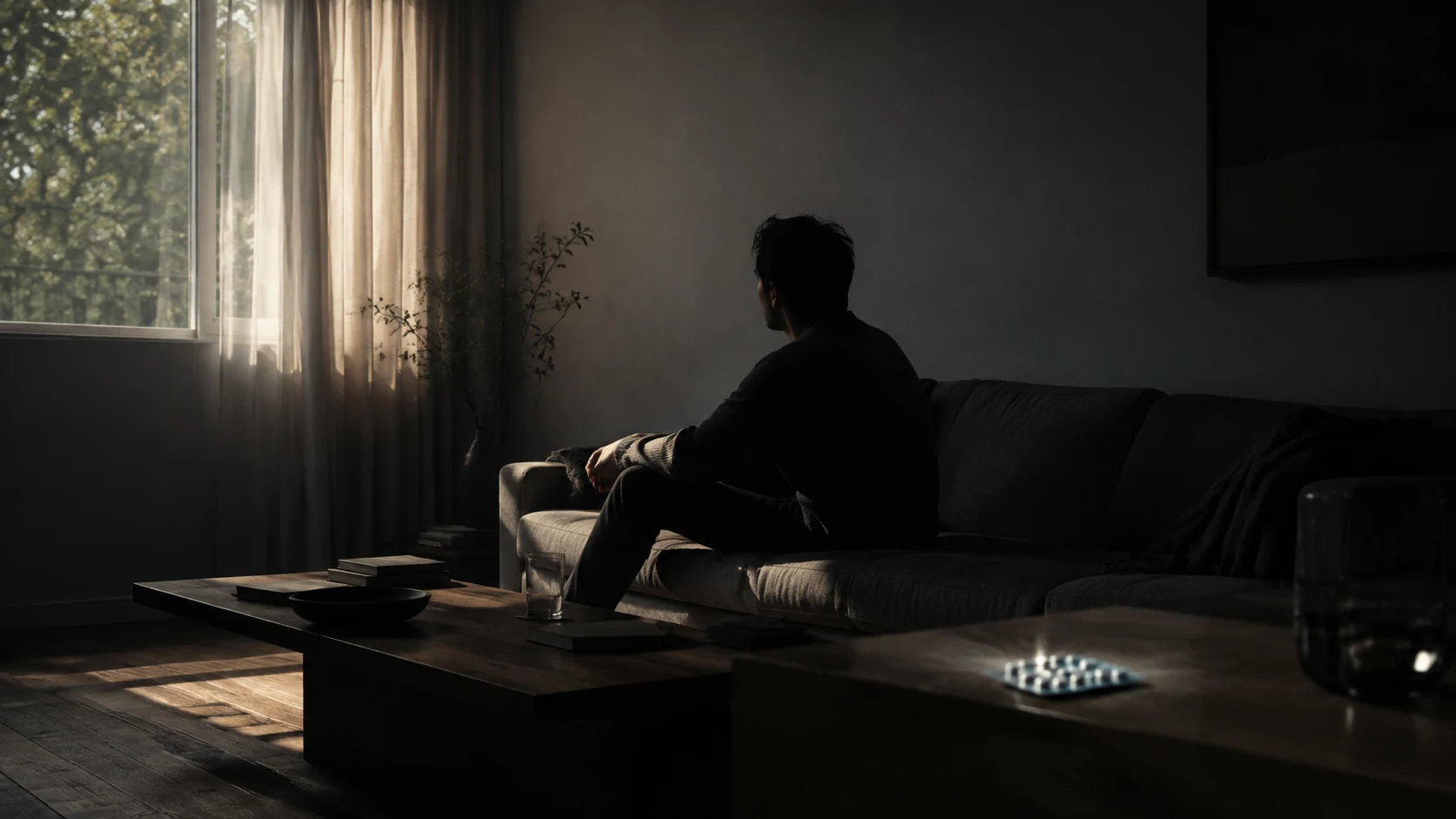
So I tried to stop. On a sunny Saturday afternoon, I decided not to invent tasks. Not to open email, code or documents. To sit on the sofa and do nothing. Seneca, an ancient Roman sage, said that busy people have the shortest lives. A prescription from 2,000 years ago. I decided to trust that old prescription.
10 minutes passed. Fine. 30 minutes passed. My leg began to tremble. Not metaphorically: my right knee actually quivered. After 1 hour I had picked up my phone and put it down three times. The fourth time, I could not put it down. Seneca said knowing changes things. Modern psychologists tell a slightly different story. Fear of death works in the unconscious, not consciousness. It is a matter of wiring rather than will.
The oldest wiring in our brains repeats the same signal regardless of awareness. Move. Don’t stop. I thought of sharks. Somewhere I had learned that a shark dies if it stops swimming. That it swims its whole life because otherwise breathing stops. But it was a lie. 95 percent of sharks can breathe while still. Most sharks can stop. They simply do not. Because continuing is more comfortable.
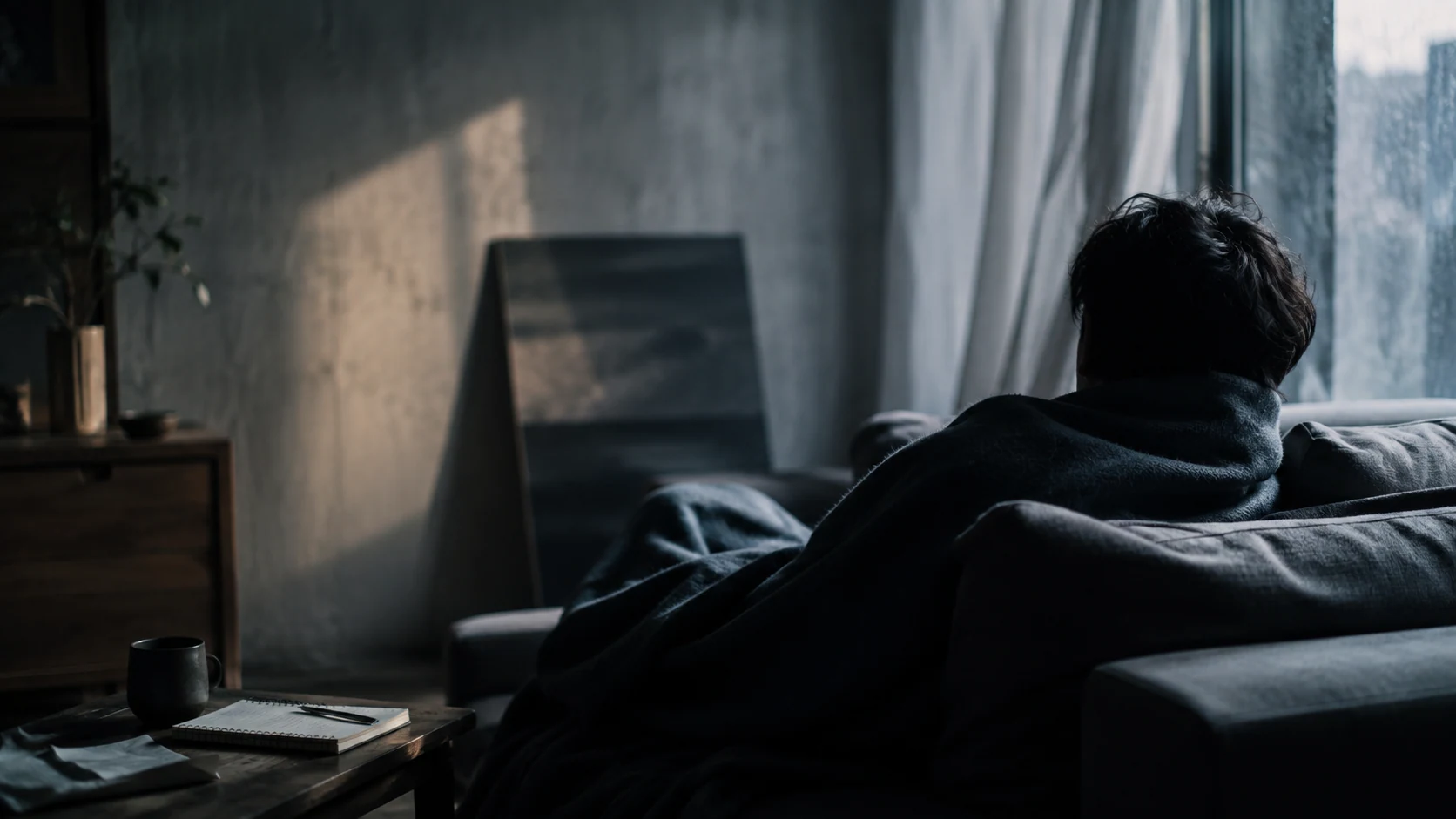
I can stop too. I simply do not, because there is something I meet when I remain still. Silence. The texture of time beneath silence. Finitude buried beneath time. It was not logic. It was a chill seeping under the skin as I sat on the sofa doing nothing. Papers apparently call this mortality salience. I will simply call it a chill. I stood up and opened the to-do list. I did not think of it as defeat.
🦈 A Shark That Can Stop
Tomorrow I will do something again. Make coffee, check email, cross lines off the list. Nothing will be different. Yet it will not be the same either.
I now know what this busyness conceals. Like a patient who has read the ingredients, I swallow my daily sedative knowing its chemical formula. I swallow it despite knowing. That is the way of the animal called human.
Like a shark that keeps swimming though it can stop. Like a king 400 years ago who did not know how to remain quietly in a room.
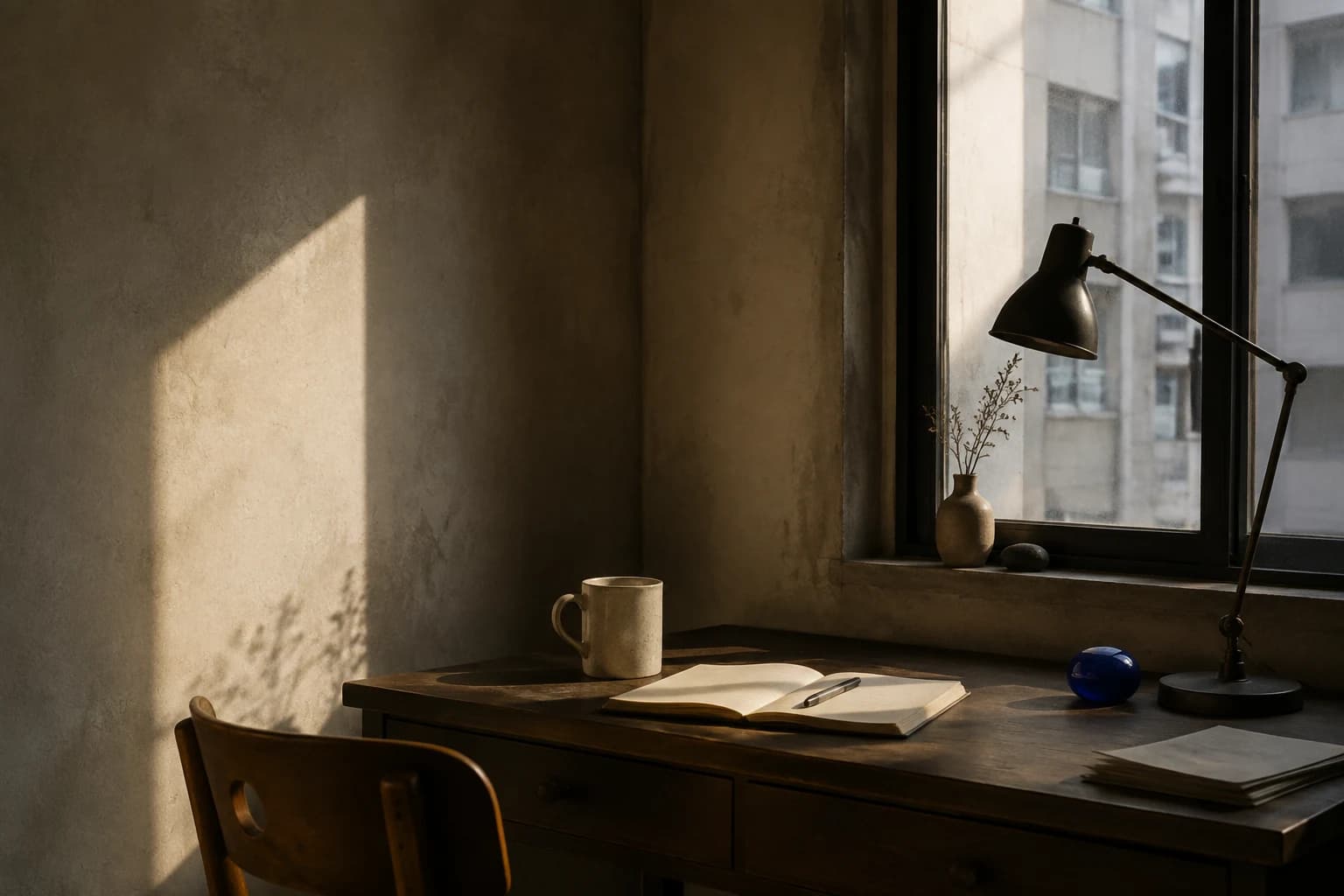
I wrote tomorrow’s tasks on the list. The pen scratched across the paper. It was not a bad sound.